The Story That Slips Into Your Physiology
Every culture carries a myth it treats as fact. Ours insists that aging is a steady unraveling, a predictable slide into limitation. People repeat this idea so casually that it becomes invisible. They talk about “feeling older” the way someone might comment on the weather — as if it’s simply the atmosphere of the day.
I’ve spent decades watching bodies contradict that myth. I’ve seen people regain capacities they assumed were permanently gone. I’ve watched strength return to limbs that had been written off. I’ve seen curiosity reappear in people who believed they were past the age of reinvention. None of this fits the cultural script, yet it happens constantly.
The problem isn’t biology. It’s the story people accept as biology.
Once someone internalizes the idea that decline is inevitable, their physiology begins to organize around that belief. Muscles respond differently. Posture shifts. Breathing patterns change. Decision‑making narrows. The entire organism behaves as if the myth were a law of nature.
It isn’t.
The Body Doesn’t Follow a Calendar
I’ve never seen a human body age on schedule. I’ve met seventy‑year‑olds with the mobility of people half their age, and I’ve met thirty‑year‑olds who move like they’ve already surrendered. The difference has nothing to do with the number of birthdays they’ve celebrated.
What I notice instead is how someone relates to their own aliveness. When a person treats their body as a living partner rather than a fragile object, the body responds with vitality. When they treat it like a machine destined to break, it begins to behave like one.
People often assume their stiffness, fatigue, or loss of energy is a sign of age. In reality, it’s usually a sign of disuse — physical, emotional, or psychological. The organism adapts to whatever environment it’s given. If the environment is narrow, predictable, and low in stimulation, the body adapts downward.
Decline is not a biological mandate. It’s a behavioral consequence.
The Social Contract of Diminishment
There’s a quiet pressure that begins to build once someone crosses into midlife. It’s not spoken outright, but it’s everywhere. People start offering warnings instead of encouragement. They start projecting fragility onto you. They start assuming you’re less capable, less resilient, less adventurous.
If you’re not careful, you begin to absorb those projections.
I’ve watched people shrink themselves to fit the expectations of others. They stop doing things they love because they don’t want to be judged. They stop taking risks because they don’t want to be seen as reckless. They stop exploring because they’ve been told exploration is for the young.
This is how decline begins — not in the tissues, but in the imagination.
Once someone starts editing their life to match the cultural script, their biology follows the edit. The nervous system becomes more cautious. The muscles lose their readiness. The senses dull. Not because of age, but because the person has stopped giving their body reasons to stay awake.
The tragedy is that most people think this is normal.
The Nervous System Ages Before the Body Does
If you want to know how old someone truly is, don’t look at their skin or their hair. Watch how they respond to novelty. Watch how they handle unpredictability. Watch how quickly they recover from surprise.
The nervous system is the real age clock.
A flexible nervous system keeps a person youthful. It allows them to adapt to new environments, new sensations, new challenges. A rigid nervous system ages them, regardless of how many candles were on their last birthday cake.
Rigidity shows up in subtle ways — the way someone tenses before trying something unfamiliar, the way they brace for discomfort, the way they avoid anything that might disrupt their routine. Over time, that rigidity becomes a full‑body posture. It influences how someone moves, breathes, and perceives the world.
When the nervous system stops learning, the body stops renewing.
Age reversal begins with reintroducing unpredictability, not with supplements or protocols. The organism needs stimulation, variation, and challenge. Without those, it begins to shut down long before biology requires it.
Curiosity as a Biological Catalyst
People underestimate the physiological power of curiosity. They treat it like a personality trait, not a survival mechanism. But curiosity keeps the organism engaged with the world. It keeps the senses alert. It keeps the brain forming new connections. It keeps the body ready for possibility.
When curiosity fades, the body follows.
I’ve never met a curious person who looked old. I’ve met plenty of people who were technically young but had already lost the spark that keeps the organism vibrant. They weren’t tired because of age. They were tired because they’d stopped pursuing anything that made them feel alive.
Curiosity is not optional if you want to age in reverse. It’s the ignition system.
The Wellness Industry’s Favorite Illusion
The wellness world loves to talk about empowerment, but most of its messaging is built on the assumption that your body is a problem waiting to happen. It tells you to monitor, track, optimize, and correct yourself constantly. It treats the human organism like a malfunctioning device that needs constant supervision.
This mindset ages people faster than any biological process.
When someone becomes hyper‑vigilant about their health, they stop trusting their own sensations. They rely on metrics instead of intuition. They interpret every fluctuation as a threat. They begin to live in a state of low‑grade vigilance that wears down the system from the inside out.
A body that’s constantly bracing for trouble behaves like an older body.
Age reversal requires a different relationship — one built on collaboration rather than surveillance.
Vitality Comes From Engagement, Not Preservation
Modern life encourages people to treat their bodies like delicate possessions. They avoid movements that feel challenging. They avoid environments that feel unpredictable. They avoid sensations that feel intense. They treat their physicality like something that might crack if handled too boldly.
But the body responds to involvement.
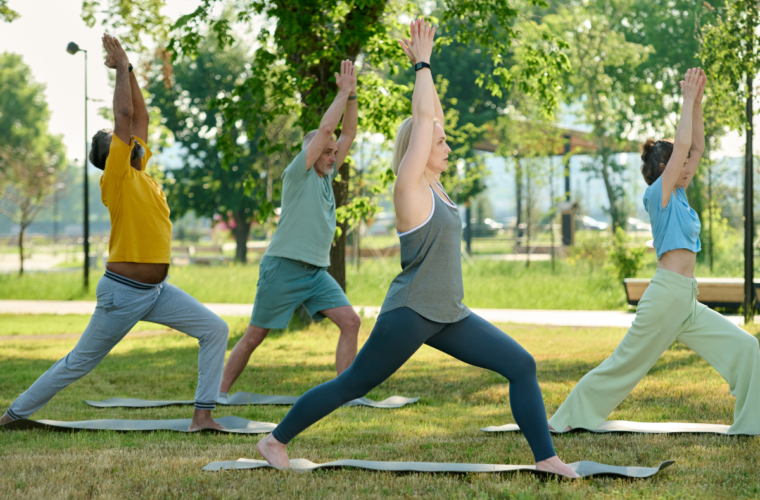
Strength returns when it’s invited into real use. Mobility improves when it’s given room to move. Endurance grows when it’s asked to meet the moment. Resilience develops when life isn’t padded and padded again.
I’ve spent most of my life outdoors — hiking, kayaking, biking, drumming, experimenting with my own physiology. Not because I’m trying to “stay young,” but because I refuse to live in a body that’s been domesticated by caution.
The organism reorganizes itself around the life you actually live. The lived reality shapes the biology far more than the intentions behind it.
Decline Is a Drift, Not a Destiny
Most people don’t consciously choose decline. They drift into it. They stop doing things that once made them feel powerful. They stop exploring. They stop challenging themselves. They stop listening to their instincts. They stop trusting their own vitality.
Then they interpret the consequences of that drift as “aging.”
What they’re actually experiencing is the physiological cost of disengagement.
The body is honest. It reflects the life you’re living.
If the life is small, the body becomes small. If the life is expansive, the body expands to match it.
I’ve watched people reverse decades of decline simply by reintroducing challenge, curiosity, and self‑trust. Their posture changes. Their energy returns. Their senses sharpen. Their emotional range widens. Their entire presence shifts.
This isn’t magic. It’s biology responding to participation.
Aging Isn’t the Enemy — Surrender Is
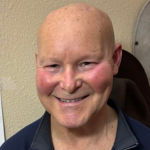
I’m seventy. I’m stronger than I was at thirty. I’m more alive than I was at twenty. I’m more curious than I was at eighteen when I hiked the Pacific Crest Trail and cut dairy from my diet because my body told me to.
Nothing about my life fits the cultural script.
I didn’t get here by fighting aging. I got here by refusing to surrender to the myth of decline.
Aging is not the problem. The problem is the belief that aging requires diminishment.
Once you stop believing that, your biology stops performing it.
You Are Not Bound to the Story You Inherited
If you’ve absorbed the cultural myth of decline, you’re not alone. Most people have. But myths can be rewritten. Stories can be replaced. Physiology can be retrained.
Your body is not waiting to fall apart. It’s waiting for you to return to it.
Age reversal isn’t a protocol. It’s a way of inhabiting yourself.
It begins when you stop treating your physicality like a liability and start treating it as a living intelligence. It deepens when you stop outsourcing your authority and start listening to the signals that have been speaking to you since childhood. It accelerates when you stop performing caution and start participating in your own life again.
The myth of the natural decline collapses the moment you stop living inside it.
Your cells are paying attention. Give them a life worth responding to.