Most people think training begins when they enter a gym.
I don’t see it that way anymore.
Training begins the moment you wake up.
The way you breathe trains your nervous system.
The way you eat trains your metabolism.
The way you sit trains your posture.
The way you think trains your emotional patterns.
The way you move — or avoid movement — trains your body for either vitality or decline.
Every environment shapes adaptation.
Every repeated behavior leaves an imprint.
And whether people realize it or not, modern life has quietly become one long conditioning program.
Unfortunately, much of that conditioning is producing weak bodies, distracted minds, shallow breathing, low resilience, poor posture, unstable energy, and chronic disconnection from real vitality.
The strange part is that most people assume this is normal now.
They call it aging.
Stress.
Adult life.
Being busy.
But what if much of modern exhaustion is actually trained behavior?
That question changes everything.
Your Body Is Always Adapting to Something
The human body never stops adapting.
That is one of the most extraordinary things about it.
People often imagine the body as fixed, but it behaves more like a living mirror. It responds continuously to repeated conditions.
Spend years sitting, and the body adapts beautifully to sitting.
Spend years under artificial light, and the circadian rhythm shifts.
Spend years eating processed food, and cravings begin changing.
Spend years avoiding challenge, and resilience weakens.
What fascinates me is how unconscious most of this process becomes. People rarely notice the training while it’s happening because the adaptation occurs gradually.
A tighter spine here.
Lower energy there.
A little less flexibility.
A little less curiosity.
A little more dependence on comfort.
Eventually, the conditioned state starts feeling normal.
That may be the most dangerous part of all.
Sedentary Living Is a Full-Time Training Program
Modern sedentary living is not neutral.
It is active conditioning.
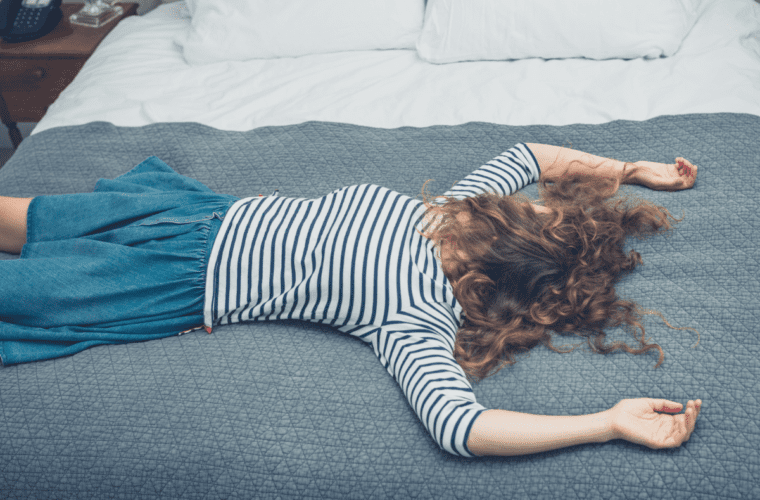
People train their bodies into stiffness every day.
They train shallow breathing through stress and screen fixation.
They train poor circulation through inactivity.
They train mental distraction through endless digital stimulation.
The average person now spends extraordinary amounts of time seated, indoors, overstimulated mentally yet under-engaged physically.
Then they attempt to counterbalance that entire lifestyle with a short workout.
It’s been my experience that the body responds far more to the total pattern than isolated efforts.
An hour at the gym cannot fully compensate for a lifestyle built around collapse, passivity, processed food, artificial environments, and nervous system overload.
Lifestyle always wins eventually.
Convenience Has Become a Biological Experiment
Human beings now live in conditions no previous generation experienced.
Climate-controlled rooms.
Food available instantly.
Movement optional.
Screens everywhere.
Artificial light long after sunset.
Constant entertainment.
Constant stimulation.
Constant distraction.
The modern body is adapting to all of it.
And honestly, I don’t think people fully grasp how radical this shift really is.
For most of human history, life demanded physical engagement.
People walked.
Carried things.
Adapted to weather.
Used their bodies continuously.
Modern life removed enormous amounts of natural physical challenge while simultaneously increasing mental overload.
That combination creates a strange kind of fatigue:
physically underused yet neurologically overstimulated.
People feel drained while barely moving.
The Nervous System Learns Your Lifestyle
One thing that became very clear to me over time is that the nervous system memorizes repeated experience.
Rush constantly, and urgency becomes familiar.
Scroll endlessly, and stillness becomes uncomfortable.
Eat highly stimulating food daily, and simplicity starts feeling unsatisfying.
Avoid discomfort repeatedly, and tolerance for challenge decreases.
Most people think their habits are random.
I don’t.
I think habits become biology.
The nervous system builds familiarity around repetition. Eventually, the body begins expecting the conditions it experiences most often.
That is why lifestyle change feels difficult for many people at first.
Not because transformation is impossible, but because the body has already adapted to a previous identity.
Processed Food Trains More Than Hunger
People usually talk about food in terms of calories or weight.
That conversation barely scratches the surface.
Food trains appetite.
Food trains cravings.
Food trains mood.
Food trains energy patterns.
Highly processed food conditions people toward stimulation and dependency. Artificial flavor enhancement changes how natural food tastes. Excess sugar changes expectations around pleasure. Constant snacking disrupts natural hunger rhythms.
The body learns whatever environment it lives inside repeatedly.
What I noticed when I cleaned up my own diet years ago was not simply physical change.
My entire relationship with food changed.
Fresh foods began tasting better.
Heavy foods began feeling heavier.
Natural energy became more recognizable.
That shift affected far more than appearance.
It affected awareness itself.
Comfort Culture Is Quietly Weakening People
Modern culture worships comfort.
Maximum convenience.
Minimum effort.
Instant gratification.
But comfort affects people differently when it becomes constant.
The body loses adaptability.
The mind loses resilience.
Tolerance for challenge decreases.
People become fragile in ways they don’t even recognize.
One difficult conversation feels overwhelming.
One missed meal feels dramatic.
One uncomfortable workout feels unbearable.
One moment without stimulation feels empty.
That isn’t strength.
That’s dependency disguised as comfort.
What I’ve observed repeatedly is that vitality tends to grow in people who remain engaged with life physically, mentally, emotionally, and creatively.
The body responds to engagement.
It deteriorates through chronic underuse.
Most People Stop Training for Life
This may sound controversial, but I think many people psychologically retire long before they physically age.
Curiosity fades.
Adventure fades.
Movement decreases.
Risk disappears.
Routine hardens.
Life narrows.
The body often follows that contraction.
Vitality is deeply connected to engagement.
The people who seem most alive usually continue participating in life fully. They move. Learn. Explore. Create. Adapt. Challenge themselves. Stay curious about the world.
They don’t freeze psychologically.
That matters biologically more than most people realize.
Your Environment Is Programming You Daily
People underestimate how much environment shapes behavior.
Spend enough time around processed food and eventually processed food feels normal.
Spend enough time around sedentary people and inactivity becomes socially reinforced.
Spend enough time indoors and artificial living starts feeling natural.
Environment quietly trains identity.
That’s why changing surroundings often changes behavior faster than motivation alone.
The body responds to cues continuously:
light,
movement,
temperature,
food,
conversation,
energy,
pace,
stimulation.
Most modern environments push people toward passive consumption rather than active participation.
And the body adapts accordingly.
Real Vitality Feels Different
One thing I wish more people understood is that real vitality feels very different from stimulation.
Stimulation creates spikes.
Vitality creates steadiness.
Stimulation needs constant reinforcement.
Vitality sustains itself more naturally.
Many people have lived inside stress chemistry and artificial stimulation for so long that they no longer recognize calm energy.
They mistake adrenaline for aliveness.
They mistake caffeine for vitality.
They mistake busyness for purpose.
But underneath all the stimulation, the body is often exhausted.
When people begin changing lifestyle patterns deeply — food, movement, sleep, environment, breathing, engagement with life — a different quality of energy often emerges.
Cleaner.
More stable.
More grounded.
Less frantic.
Movement Is Information
Movement is not merely exercise.
Movement is biological communication.
The body interprets movement as information about survival, adaptability, and engagement with life.
Walk regularly, and the body responds.
Lift weights, and the body responds.
Stretch consistently, and the body responds.
Stay sedentary, and the body responds to that too.
Everything teaches the body something.
That is why I no longer separate “exercise” from lifestyle. The body experiences all movement collectively.
A person who sits ten hours a day but works out briefly is still training prolonged inactivity into the system.
The body adapts to the dominant pattern.
Identity Is Built Through Repetition
People often wait to “feel motivated” before changing.
That approach rarely lasts.
Identity changes through repeated action.
Small behaviors accumulate.
Repeated choices become familiar.
Familiarity becomes identity.
That process works whether the habits are strengthening or weakening.
Most people are already highly disciplined.
They are simply disciplined in patterns that reduce vitality.
Consistent sitting.
Consistent distraction.
Consistent overstimulation.
Consistent avoidance.
The body adapts with incredible loyalty to whatever lifestyle becomes repeated most often.
Modern Life Has Normalized Disconnection
One thing that stands out to me today is how disconnected many people have become from their own bodies.
They ignore exhaustion until collapse.
Ignore digestion until dysfunction.
Ignore posture until pain.
Ignore movement until stiffness.
Ignore stress until burnout.
The modern world trains people outward constantly — toward screens, notifications, stimulation, noise, speed.
Very little encourages deep awareness of the body itself.
But the body keeps score quietly.
Years of repeated patterns eventually become visible physically.
Not because the body failed people, but because the body adapted exactly as designed.
The Human System Wants Engagement
It’s been my experience that the human system responds beautifully when given challenge, movement, nourishment, purpose, sunlight, nature, and engagement.
Energy changes.
Posture changes.
Breathing changes.
Mental clarity changes.
People often underestimate how adaptive the body really is.
The body wants use.
The brain wants stimulation.
The nervous system wants meaningful engagement.
Vitality is not accidental.
It is trained.
Just like weakness is trained.
What Are You Training Every Day?
That question matters more than almost any health trend.
Not what you intend occasionally.
Not what you wish you were doing.
What are you repeatedly training?
Your posture?
Your metabolism?
Your attention span?
Your resilience?
Your energy?
Your nervous system?
Your habits?
Every repeated action becomes instruction.
The body is listening constantly.
And whether people realize it or not, lifestyle is shaping biology every single day.
That realization can feel confronting at first.
But it is also empowering.
Because if lifestyle can condition decline, lifestyle can also condition vitality.
And once people understand that, health stops feeling random.
It becomes trainable.