For most of human history, people had to move to survive.
They walked long distances. They carried things. They worked outdoors. They adapted to weather, seasons, physical effort, uncertainty, and discomfort on a daily basis.
Today, many people live in a completely different reality.
We sit most of the day.
We drive everywhere.
We stay inside climate-controlled environments.
We scroll endlessly.
We eat highly processed convenience food.
We avoid discomfort whenever possible.
And then we wonder why so many people feel tired, stiff, inflamed, mentally drained, emotionally disconnected, and physically older than they should.
I believe one of the biggest threats to long-term vitality today is not simply aging itself.
It is comfort.
Not healthy comfort.
Not rest after meaningful effort.
I’m talking about chronic convenience, overstimulation, passivity, and the gradual removal of challenge from everyday life.
Because the truth is, the human body was designed to adapt.
And when we stop challenging the body and mind in healthy ways, we slowly begin to lose energy, resilience, strength, and vitality.
The Human Body Was Built for Adaptation
One of the biggest misconceptions about health is the belief that comfort automatically equals wellness.
It doesn’t.
Your body becomes stronger through adaptation.
Muscles adapt through resistance.
The cardiovascular system adapts through movement.
Breathing improves through conscious use.
The mind becomes stronger through challenge.
Even emotionally, people often grow through difficulty, uncertainty, discipline, and learning to navigate discomfort.
This doesn’t mean suffering is the goal.
It means the body and nervous system need engagement.
When life becomes too sedentary, too predictable, too artificial, and too disconnected from movement and nature, the body often begins to decline much faster.
This is one reason why so many people today feel old before their time.
Not because they are biologically doomed to decline, but because modern lifestyles slowly condition the body toward stagnation.
Convenience Is Not Always Progress
Modern society celebrates convenience as if it automatically improves quality of life.
Sometimes it does.
But not always.
Food delivery.
Streaming entertainment.
Endless scrolling.
Remote controls for everything.
Hours spent sitting.
Minimal physical effort.
Constant stimulation.
Many people now spend most of their lives consuming instead of engaging.
And while convenience can make life easier, it can also slowly disconnect us from the very activities that help maintain vitality.
Walking.
Cooking real food.
Being outdoors.
Carrying groceries.
Using the body naturally.
Breathing fresh air.
Moving throughout the day.
When physical engagement disappears from daily life, the body adapts to that too.
And unfortunately, the body adapts very efficiently to inactivity.
Modern Comfort Creates Weakness Slowly
The dangerous thing about excessive comfort is that the effects are gradual.
Most people don’t wake up one morning suddenly feeling old.
It happens slowly.
Less energy.
Less flexibility.
More stiffness.
More fatigue.
Less desire to move.
More dependence on convenience.
More sitting.
More mental fog.
More physical hesitation.
Over time, the body becomes less resilient because it is being asked to do less and less.
That is not healthy aging.
That is underuse.
I believe many people confuse aging with the consequences of inactivity, chronic stress, poor nutrition, overstimulation, and disconnection from natural living.
Of course aging is real.
But accelerated decline is often heavily influenced by lifestyle.
The Body Responds to the Life You Practice
Your body is always adapting to the environment you repeatedly give it.
If you spend years sitting, the body adapts to sitting.
If you stop challenging balance, strength, coordination, and endurance, those systems weaken.
If you rarely breathe deeply, breathing patterns become shallow.
If you avoid movement, movement becomes harder.
This is one reason I often talk about vitality as a lifestyle rather than a temporary health project.
The body reflects patterns.
Not isolated moments.
One healthy meal does not create health.
One workout does not create vitality.
One detox does not transform a lifetime of habits.
The real question is:
What kind of life are you repeatedly practicing?
Because that is what your body is adapting to every single day.
Nature Challenges the Body in Healthy Ways
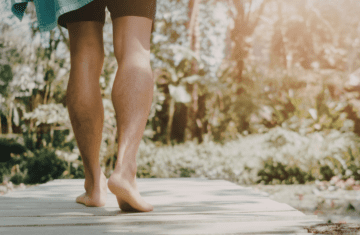
One reason I encourage people to spend more time outdoors is because nature naturally re-engages the human system.
Walking on uneven ground challenges balance.
Fresh air changes breathing.
Sunlight affects mood and energy.
Temperature variation stimulates adaptation.
Natural environments calm the nervous system.
Even simple outdoor movement often feels different than exercising under artificial lighting inside a crowded building.
I’m not saying everyone must live off-grid or climb mountains.
But I do believe modern humans have become disconnected from the environments our bodies evolved within.
And I think that disconnection affects vitality more than most people realize.
The body was designed to move through life, not remain sealed inside artificial environments all day.
Comfort Can Become Emotional Stagnation
This issue is not only physical.
Comfort zones also affect emotional and mental vitality.
Many people slowly stop challenging themselves emotionally as well.
They stop trying new things.
They stop learning.
They stop taking risks.
They stop being curious.
They stop exploring.
Over time, life becomes smaller.
Predictable.
Safe.
Controlled.
But often less alive.
Vitality is not just physical energy.
It is engagement with life.
It is curiosity.
Movement.
Growth.
Participation.
The willingness to remain mentally and emotionally awake instead of drifting into passive routines year after year.
The Goal Is Not Misery
I want to be clear about something.
I am not promoting suffering for the sake of suffering.
I’m not saying people should constantly punish themselves or live harshly.
Rest matters.
Recovery matters.
Peace matters.
Comfort after meaningful effort can feel wonderful.
But there is a major difference between healthy recovery and a lifestyle built almost entirely around convenience and avoidance.
Today, many people structure their lives around minimizing effort at all costs.
And ironically, that often creates less energy instead of more.
The body weakens when it is rarely challenged.
The mind dulls when it is rarely engaged.
The nervous system becomes fragile when it is overstimulated yet underdeveloped.
Healthy stress and adaptation are part of maintaining vitality.
Vitality Requires Participation
One thing I’ve noticed over the years is that many people want vitality without participation.
They want energy without movement.
Health without discipline.
Strength without resistance.
Transformation without changing daily patterns.
But the body does not work that way.
Vitality is participatory.
You have to engage with your own life.
That doesn’t mean becoming obsessed with fitness or turning health into another stressful performance.
It means participating physically, mentally, emotionally, and spiritually in your own existence.
Move your body.
Challenge your mind.
Go outside.
Learn new things.
Stay curious.
Stay engaged.
Stay adaptable.
These qualities are deeply connected to healthy aging and longevity.
Why Challenge Creates Aliveness
Think about how alive people often feel after doing something physically engaging.
A hike.
A swim.
A long walk.
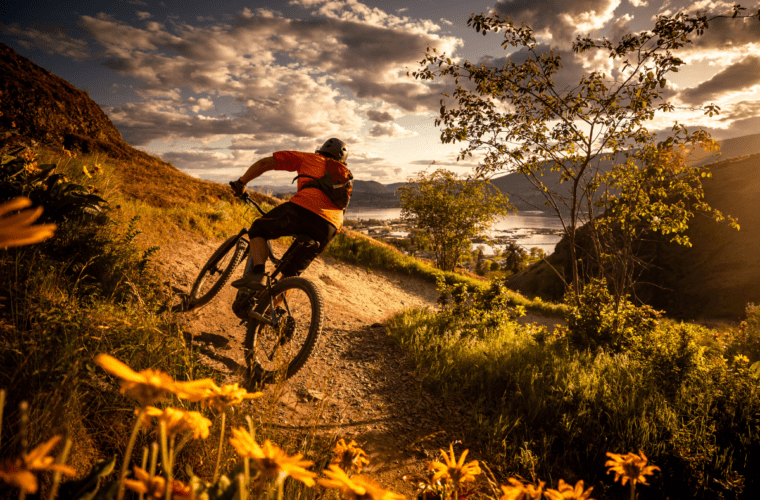
A bike ride.
A workout.
A dance class.
A day working outdoors.
Even though energy was used, many people actually feel more alive afterward.
Why?
Because the body and nervous system were activated.
Circulation increased.
Breathing deepened.
Attention shifted.
The body remembered what it was designed to do.
Compare that to spending hours sitting indoors staring at screens.
Many people feel more drained afterward even though they barely moved physically.
That should tell us something important about the relationship between movement, stimulation, and vitality.
Aging Is Not the Same as Disengagement
One of the biggest mistakes in modern culture is treating disengagement as normal aging.
People stop moving.
Stop exploring.
Stop adapting.
Stop challenging themselves.
Then they assume feeling older is simply inevitable.
But many highly vital older people remain deeply engaged with life.
They move.
Travel.
Learn.
Create.
Exercise.
Garden.
Dance.
Walk.
Socialize.
Explore.
Their bodies and minds continue responding to life because they continue participating in life.
I believe that matters enormously.
The body listens to how you live.
You Don’t Need Extreme Fitness to Reclaim Vitality
The good news is that reclaiming vitality does not require becoming an elite athlete.
Most people do not need extreme programs.
They need consistent engagement.
More movement.
More fresh air.
Better food.
Less sitting.
Less passive consumption.
More challenge.
More awareness.
More participation in their own lives.
Simple daily actions practiced consistently can change the direction of health dramatically over time.
Walk more.
Stretch more.
Carry things.
Stand more.
Cook real food.
Spend time outside.
Choose activities you enjoy enough to sustain.
That is often far more powerful long-term than short bursts of extreme effort followed by burnout.
The Neverending Buzz Philosophy
The Neverending Buzz is really about staying connected to life.
Not numbing yourself through overstimulation and convenience.
Not accepting decline as your identity.
Not drifting into passive living.
But staying engaged physically, mentally, emotionally, and spiritually.
That doesn’t mean perfection.
It means awareness.
It means participation.
It means recognizing that the body responds to the life you repeatedly practice.
And if modern comfort is quietly draining your vitality, you have the power to begin changing that pattern.
Not overnight.
Not through fear.
But through consistent choices that reconnect you to movement, challenge, breath, energy, and life itself.
Final Thoughts
I believe many people today are not exhausted because life is too physically demanding.
I believe many are exhausted because life has become too disconnected from natural human engagement.
Too much sitting.
Too much stimulation.
Too much convenience.
Too little movement.
Too little nature.
Too little challenge.
Too little real participation.
The human body was designed for more than passive survival.
It was designed for adaptation, movement, resilience, exploration, and vitality.
And while modern comfort may feel appealing in the short term, too much comfort can quietly weaken the very systems that keep us alive, energized, and engaged.
That is why I believe one of the most important things we can do for healthy aging and longevity is not simply trying to avoid discomfort.
It is learning how to stay actively engaged with life.